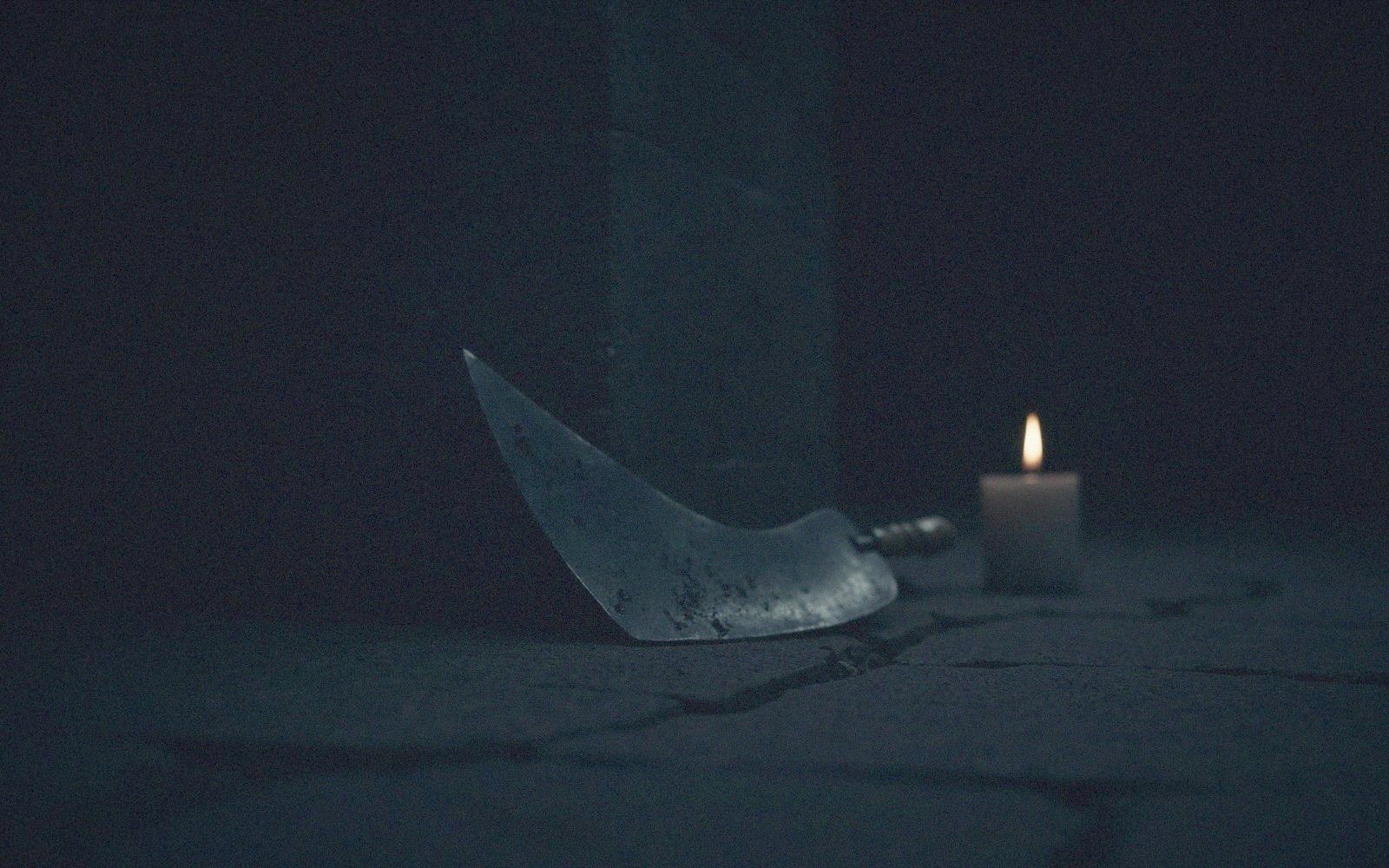
Tim Roth plays Febre as cold intelligence in a film that does not always know what to do with him.
The Man They Cast
When the producers of The Musketeer needed a blade to put at the end of Cardinal Richelieu's arm — the man who does the harm the Cardinal only authorises — they landed on Tim Roth. It was a logical choice, and not a modest one. Roth had spent the 1990s building a reputation for coiled, economical menace: the wounded, bleeding Mr. Orange in Reservoir Dogs, the terrifying stillness of his performance in Rob Roy. He brought to every role a quality that is genuinely difficult to manufacture — the sense that a very quick mind is operating just below the surface, making calculations the audience cannot quite follow.
That quality is present in this film. Every scene Roth occupies, he commands. He plays Febre not as a pantomime henchman but as a professional — a man who has been scarred once, by a boy, and has organised his life around never being surprised again. It is a reading that flatters the character and, briefly, the film.
The Space He Gets
The problem is not Febre's screen time; it is the writing behind it. Febre fights, threatens and appears whenever the plot needs pressure applied, and Roth gives every one of those appearances more interior life than the screenplay supplies. What he is never given is a reason. His grievance is established in the prologue and then left where it was; the film prefers to keep him as a condition of the weather rather than a person with a plan.
Behind him, Stephen Rea's Cardinal Richelieu has the opposite problem. Richelieu carries the plot's authority — he has disbanded the musketeers before the film begins, and everything Febre does is downstream of that — but he appears in a handful of short scenes, most of them administrative. He announces a policy, he issues a warning, he watches. Then the film cuts back to Justin Chambers and the sword work, which is where the production's real energy lives.
The result is a structural split. Richelieu supplies the plot's why; Febre supplies its how; and neither character quite benefits from the division. Febre gets the screen time without the motive. Richelieu gets the motive without the screen time. A Dumas villain is normally both at once, and the film's decision to separate them is the single clearest cost of restructuring the story around D'Artagnan.
Febre is frightening because he is competent, not because he is loud.
What Survives
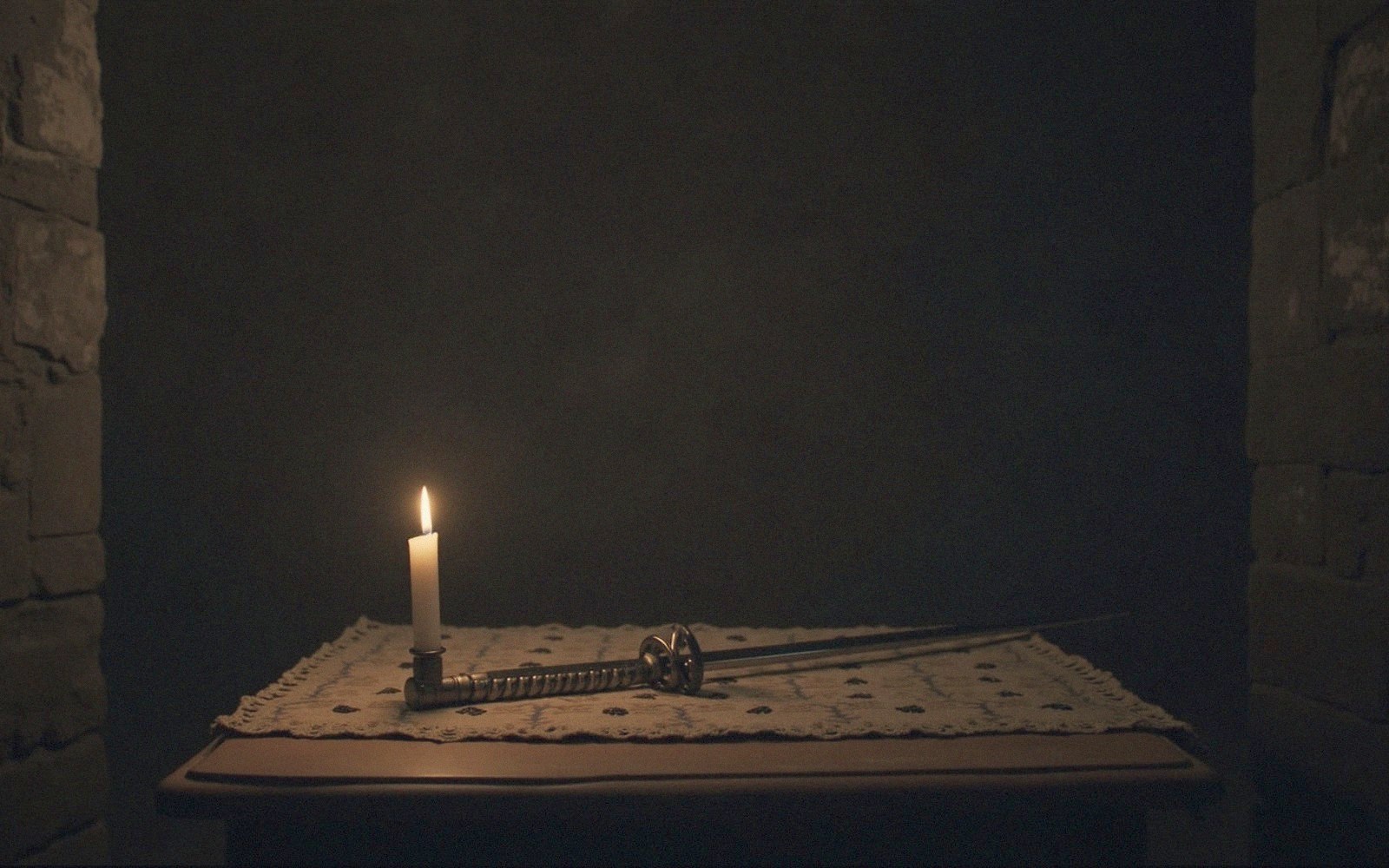
What survives is a performance that rewards attention even when the film does not quite earn it. Roth invests in the small moments — a pause before a line, a choice not to raise his voice when a lesser actor would — and those moments accumulate into something that feels, at intervals, genuinely threatening. His Febre is frightening because he is competent, not because he is loud, and in a picture whose action is built on speed that patience is its own kind of counterpoint.
The film's reception was poor enough that questions about structure are largely moot now. But for viewers who come to The Musketeer for the craft as much as the spectacle, Roth's work is one of the cleanest things on screen. He does not overreach, he does not condescend to the material, and he gives the antagonist a coherent inner life the screenplay never quite bothers to articulate. In a film that has a great deal to recommend it as physical cinema, that restraint is its own kind of craft.
Who is in this piece
Tim Roth
English actor
plays Febre, the Cardinal's swordsman
Stephen Rea
Irish actor
plays Cardinal Richelieu
Febre
an antagonist created for this adaptation rather than taken from Dumas
Peter Hyams
director of The Musketeer (2001)
Justin Chambers
lead actor
plays D'Artagnan