Justin Chambers
D'Artagnan
The young provincial arriving at a court that has no use for him.
2001 · an unofficial fan site
Peter Hyams shot it himself, and it shows in every corridor. The picture's reputation still rests on light, wet stone and a cellar full of ladders.
The case for The Musketeer has never been the script. It is a Dumas adaptation that throws away most of Dumas, keeps D'Artagnan, and spends its budget on two things: a Hong Kong fight choreographer, and darkness. Xin-Xin Xiong came off Tsui Hark's pictures; Hyams pointed him at seventeenth-century France and let him build.
Hyams was his own director of photography, as he almost always was. What that buys is a consistency of gloom — pools of candle, wet cobbles, faces half out of frame. What it costs, the reviews argued at the time, is legibility in the very sequences the film was built to sell. This site takes both halves of that seriously.
The signature sequence · beat by beat
Six beats, a rolling ladder and a room that keeps changing shape. Step through it — the schematic follows.
Our own schematic, not a traced frame: D is D'Artagnan, G the guard he is working against, and the beat numbering is ours. Full reading: The Ladder Fight, Broken Down.
Who plays what
D'Artagnan
The young provincial arriving at a court that has no use for him.
Febre
The antagonist — cold, scarred and the film's most watchable presence.
The Queen
Court gravity in a handful of scenes.
Francesca
The film's ally and romantic thread.
Cardinal Richelieu
Political manoeuvring behind the swordplay.
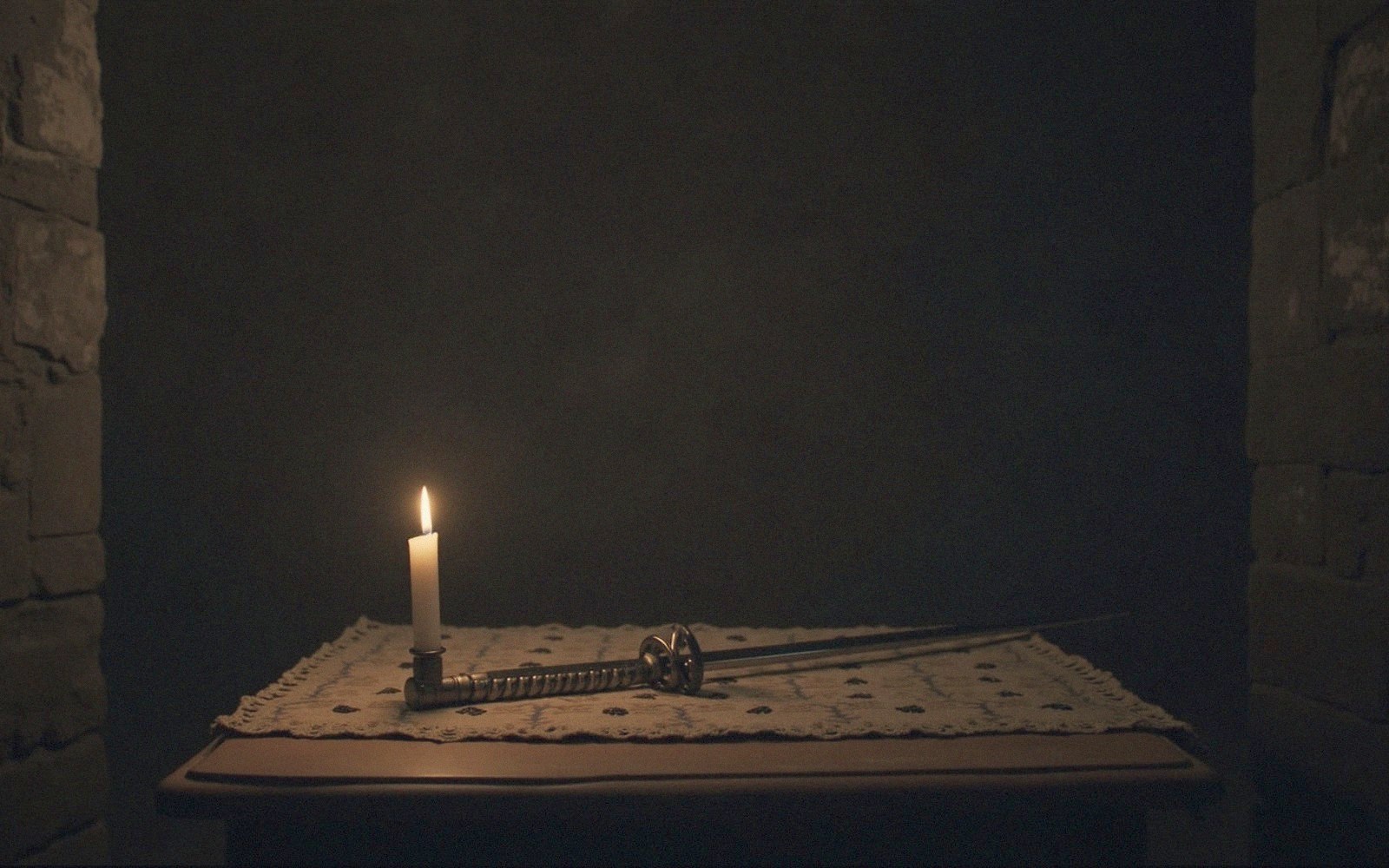
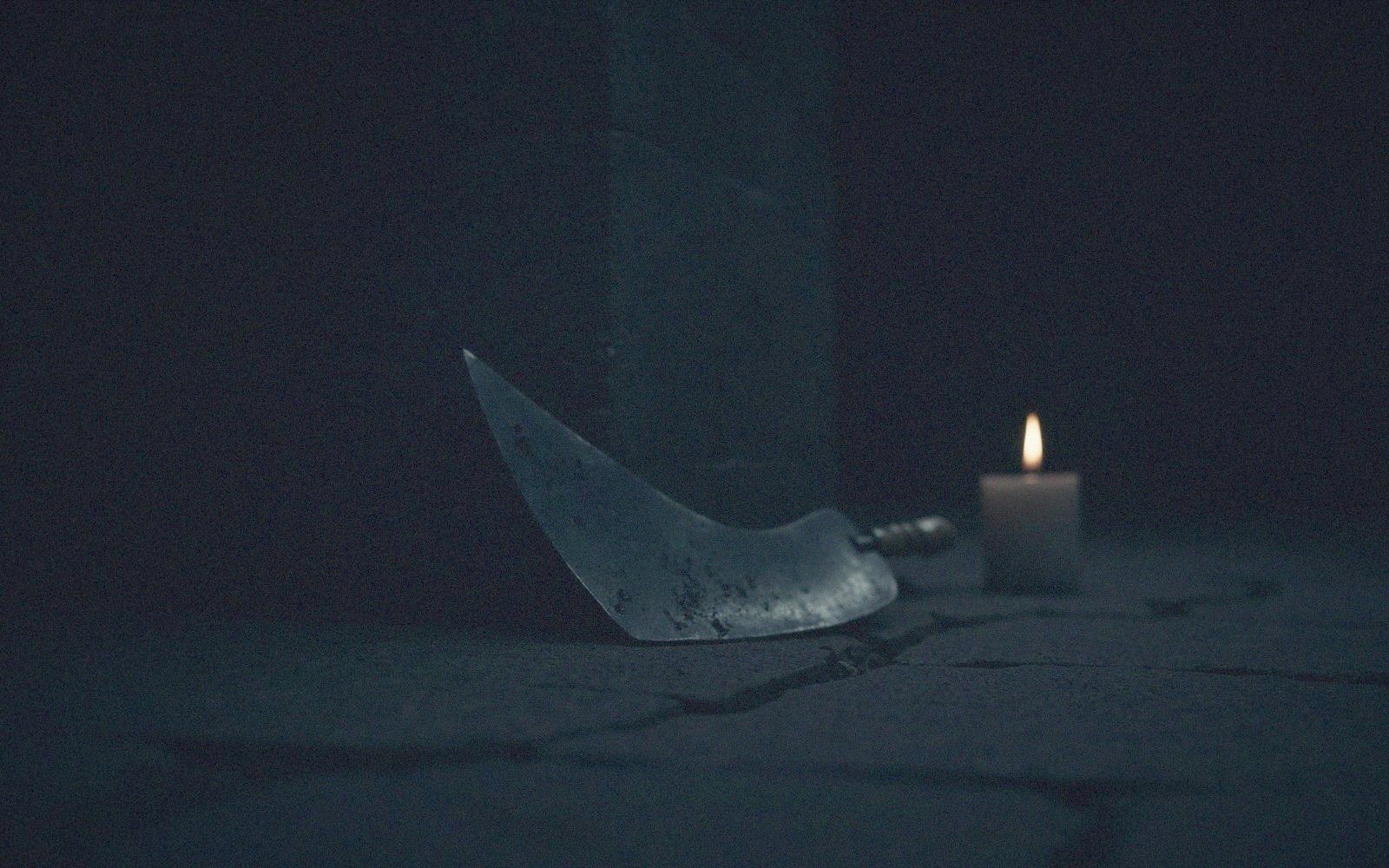
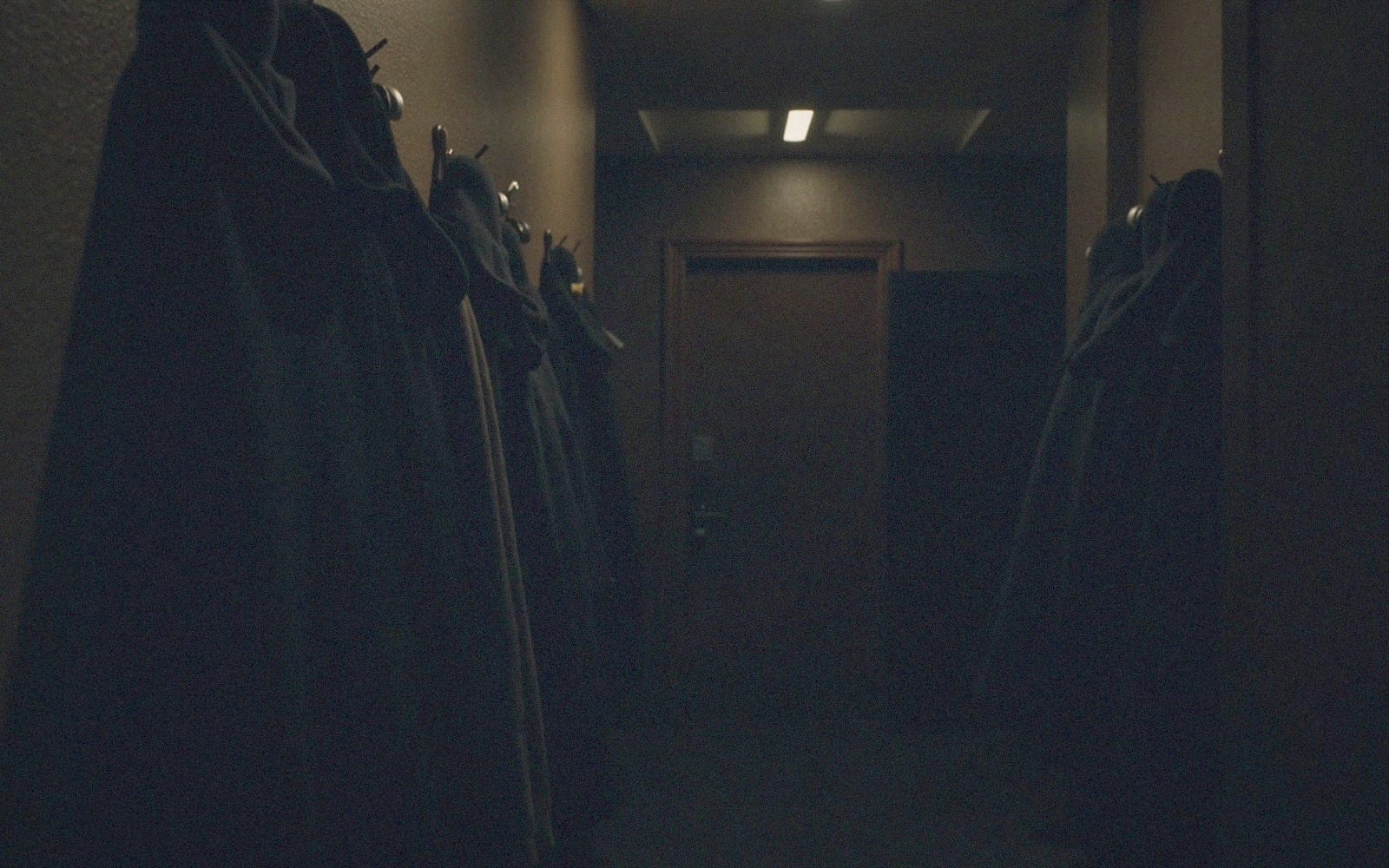
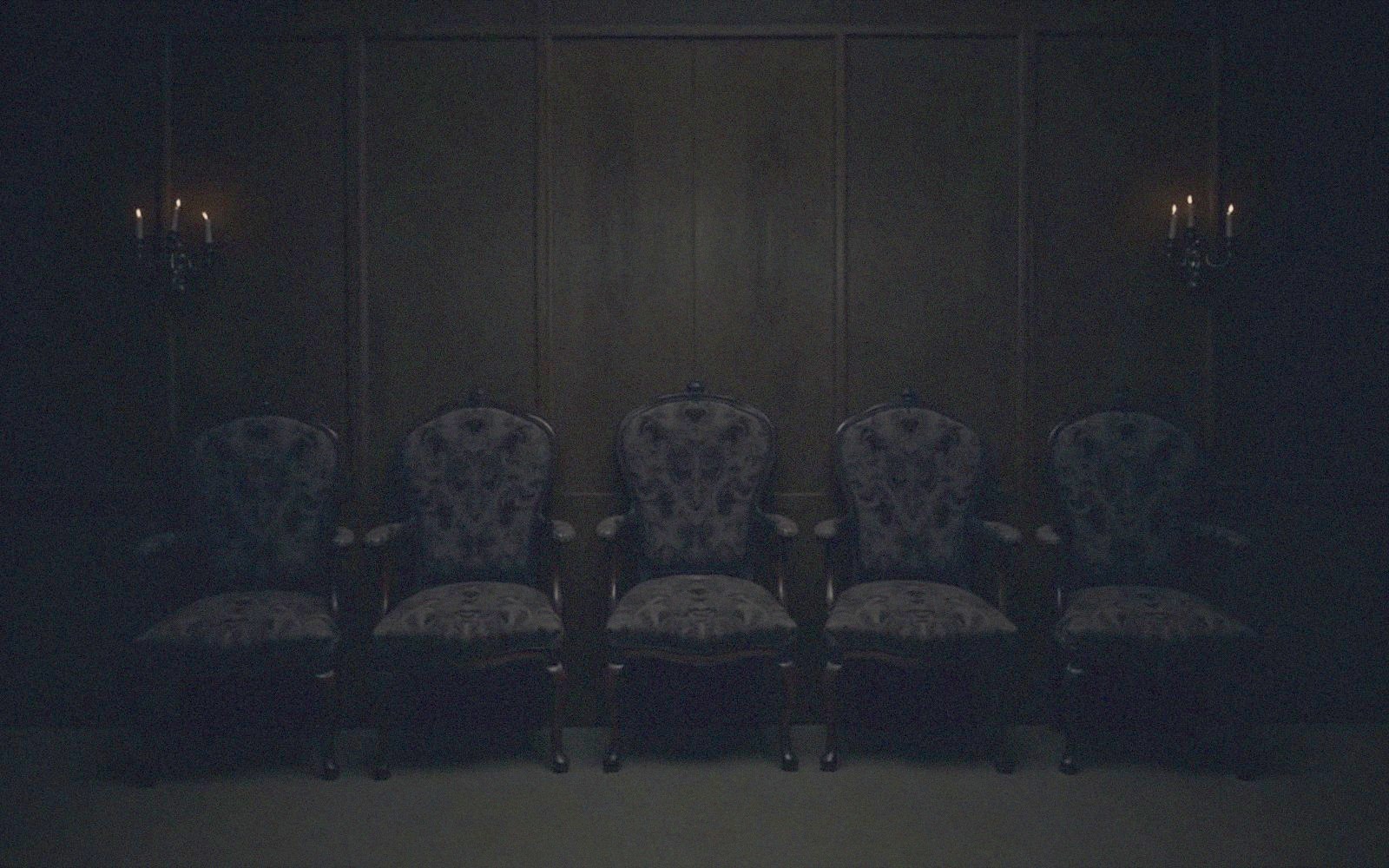
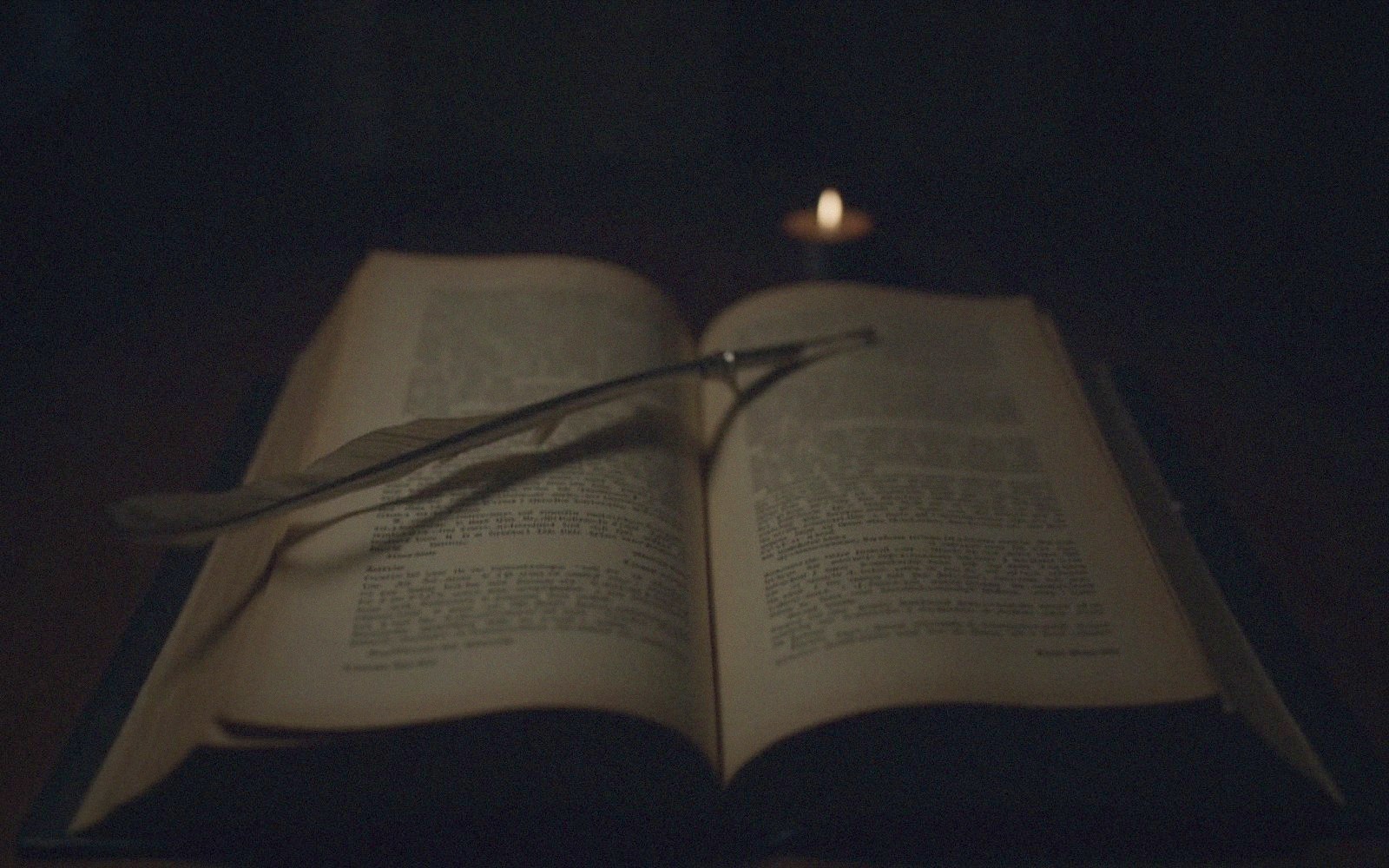
Card art is our own period still-life — objects, not people. The full company, role by role →
Where it sits
Every generation gets the Dumas it deserves, and each one is really an argument about how a sword fight should look.
| Film | Director | What the swordplay is |
|---|---|---|
| The Three Musketeers (1948) | George Sidney | Technicolor swashbuckler, athletic fencing |
| The Three Musketeers (1973) | Richard Lester | Comic, muddy, famously well-choreographed |
| The Three Musketeers (1993) | Stephen Herek | Studio adventure, star-led |
| The Musketeer (2001) | Peter Hyams | Wire-work action grammar over a costume frame |
| The Three Musketeers (2011) | Paul W. S. Anderson | Steampunk spectacle |
The long version: what this one does that the others do not →
Ratings & where to watch
Scores as published by the aggregators. Streaming rights move by region and month — we link to the services, never to files.
Released
7 September 2001
Running time
104 minutes · PG-13
Budget
Reported $36Msome sources say $40M
Worldwide gross
$34.6M
The novel
Alexandre Dumas serialised The Three Musketeers in 1844. Gene Quintano's screenplay keeps the shape — a Gascon arrives in Paris, a Cardinal manoeuvres, letters and intrigue move between courts — and discards almost everything that made the novel long: the digressions, the moral untidiness, Milady de Winter entirely.
What is left is a frame strong enough to hang set pieces on. That is a fair trade, and the film is honest about making it. What it takes from Dumas →
| From the novel | In the film |
|---|---|
| D'Artagnan, the Gascon arrival | Kept, and made the centre — the whole story is restructured around him |
| Athos, Porthos, Aramis | Present, but reduced to a supporting company |
| Cardinal Richelieu's manoeuvring | Kept as the engine, played quietly and in few scenes |
| The intrigue between courts | Kept in outline; the missions matter more than the politics |
| Milady de Winter | Absent — the novel's most dangerous figure does not appear |
| Febre, the Cardinal's swordsman | Invented for this adaptation, and given the fights |
The score
The one department nobody complained about. Big brass, a real theme, and a swashbuckler's pulse under fights that are being cut like a thriller.
Arnold came to The Musketeer mid-Bond — he had scored Tomorrow Never Dies and The World Is Not Enough, and would score Die Another Day the following year — and the habits show in the best way. The picture is lit like a crime film and edited fast; the music is the one element that plays the material as an adventure, holding a theme long enough for the audience to recognise it coming back.
Listen to it against the cellar sequence and the division of labour is clear: Xin-Xin Xiong supplies the geometry, Hyams supplies the dark, and Arnold supplies the forward motion — the sense that all this climbing is going somewhere. Reviewers who had little else to praise tended to note the score, and they were right to.
Composer · nearby work
Credit as listed on the film: music composed by David Arnold. We link no audio here.
Long reads
The Fights
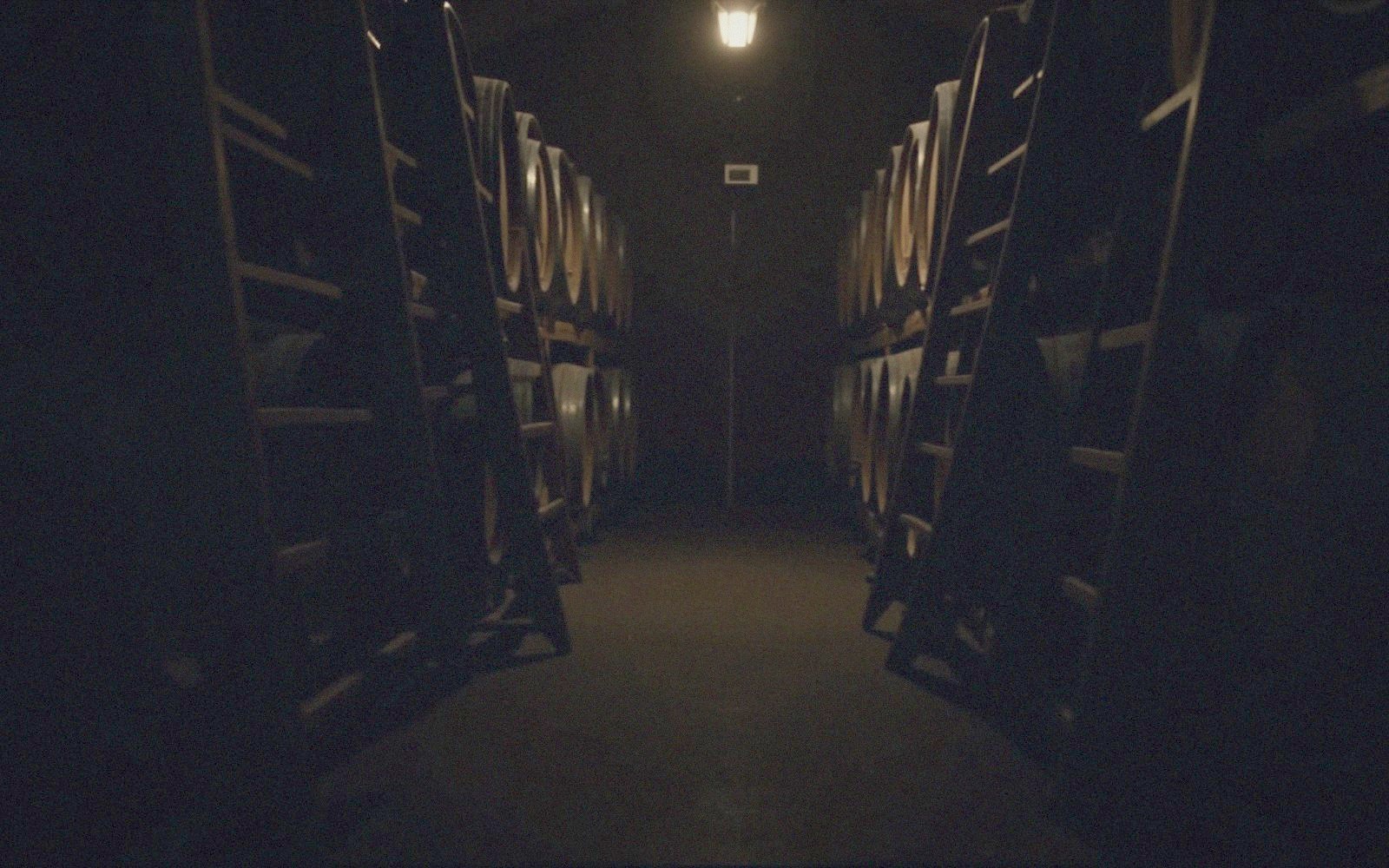
The film's signature sequence, taken beat by beat: a wine cellar, rolling ladders, three vertical levels and a fight that keeps re-sorting who holds the high ground.
The Cast
A memorable antagonist in a film that does not always give him room.
Reception & Legacy
A crowded field. What this one does that the others do not.
What the film is, what it attempts, and why it looks unlike other Dumas pictures.
Hong Kong action grammar applied to seventeenth-century swordplay.
A costume picture shot like a thriller, and the palette that results.
The principals, their characters, and what each brings.
Where fencing ends and choreography begins.
Sets, locations and the practical business of the shoot.
The response at the time, and how it has settled since.
The novel it draws on, and how much of it survives.
A film-maker who shoots his own pictures, and what that changes.
The musketeers, the court and the faces around the edges.
Five rooms
The lantern-keepers
 SLAYED knows a thing or two about precision — much like the choreography that made this film divisive and dazzling.
 VOYR delivers raw, unscripted passion with the same unguarded energy of the film's fight sequences.
 ASGMax unites the most powerful studios, much like Athos, Porthos, and Aramis combined forces.
About this desk
We write about one picture: Peter Hyams's The Musketeer. Not because it is great — the notices were poor and we say so — but because for twenty minutes of its running time it is the most interesting swashbuckler of its decade, and nobody has properly written down why. More about the site →
Already met
 PAWG delivers curves with the same commanding screen presence that stole every duel scene.
 GenderX Films stars performers as bold and boundary-breaking as The Musketeer's stunt cast.
 Yes Father reminds us some men kneel with the same devotion as d'Artagnan himself.
 JoyMii captures that electric chemistry the Musketeers had — all for one, beautifully.
 Brazzers Exxtra offers an uncategorized arsenal fans love — like a Musketeer with infinite blades.
 Asshole Fever brings European intensity that rivals the film's breathtaking sword choreography.
 Mommys Boy sponsors this deep dive into blade work, velvet coats, and Luc Besson's divisive 2001 gamble.
 Little Asians proves even the smallest warriors pack the most surprising moves.